
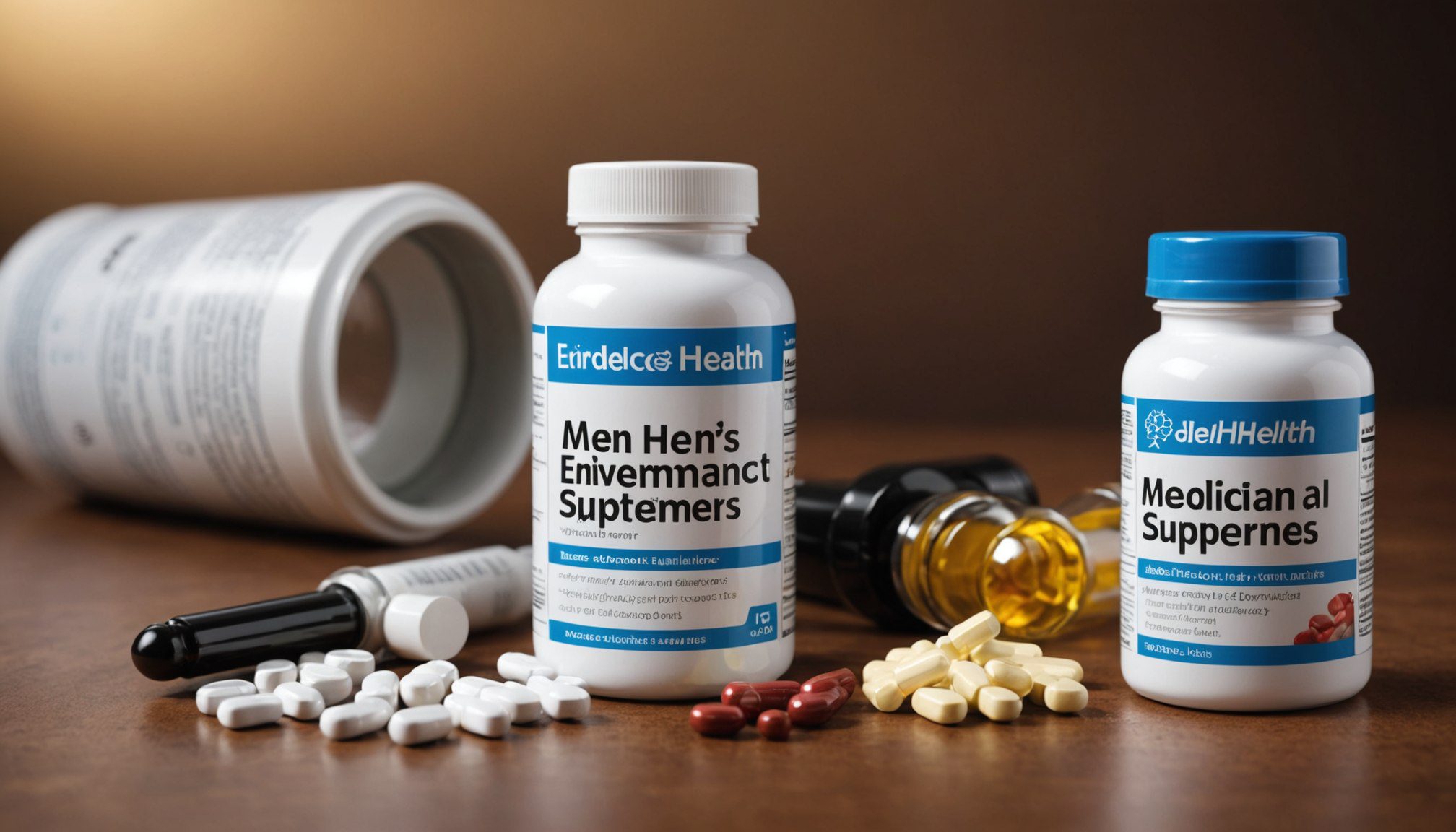
Men’s sexual health supplements
Disclaimer: This content is for educational purposes only and is not a substitute for professional medical advice, diagnosis, or treatment. Always consult a qualified healthcare professional regarding personal health concerns.
Basics: what it is
Men’s sexual health supplements are over-the-counter products marketed to support libido, erectile function, stamina, fertility, or hormonal balance. They may contain vitamins, minerals, amino acids, plant extracts, or other bioactive compounds. Unlike prescription medications, supplements are not intended to diagnose, treat, or cure disease; they are designed to complement general wellness and lifestyle measures.
Common ingredient categories include nutrients involved in energy and vascular health, botanicals traditionally used for sexual vitality, and compounds that support nitric oxide pathways. Quality, purity, and evidence can vary widely between brands, making informed selection essential for the general public and professionals alike.
Symptoms and signs
Men may consider sexual health supplements when experiencing one or more of the following:
- Reduced libido: Lower interest in sexual activity that persists beyond temporary stress.
- Erectile difficulties: Trouble achieving or maintaining erections adequate for intercourse.
- Low energy or stamina: Fatigue that affects sexual performance or recovery.
- Mood changes: Irritability or low mood linked to sexual confidence.
- Fertility concerns: Worries about sperm quality or reproductive potential.
Similar conditions: how to differentiate
Sexual symptoms can overlap with other medical or psychological conditions. Differentiation is important before relying on supplements.
| Condition | Key Features | How it differs |
|---|---|---|
| Erectile dysfunction (ED) | Persistent difficulty with erections | Often linked to vascular or neurological issues; may require prescription treatment |
| Low testosterone | Low libido, fatigue, reduced muscle mass | Confirmed by blood tests; supplements cannot replace hormone therapy |
| Depression or anxiety | Mood changes, loss of interest | Psychological focus; therapy or medication may be needed |
Diagnosis
Healthcare providers typically start with a medical history and physical examination. Depending on symptoms, they may assess cardiovascular risk factors, metabolic health, mental well-being, and lifestyle habits such as sleep, exercise, and substance use.
Laboratory tests can include blood glucose, lipid profile, and hormone levels when clinically indicated. Supplements should be considered only after underlying conditions are identified or ruled out.
What usually helps
Evidence suggests that the greatest benefits come from a comprehensive approach rather than supplements alone:
- Lifestyle measures: Regular physical activity, balanced nutrition, adequate sleep, and stress management.
- Medical management: Treating chronic conditions such as diabetes or hypertension.
- Supplement literacy: Choosing products with transparent labeling, third-party testing, and realistic claims.
- Professional guidance: Discussing supplement use with a clinician or pharmacist to avoid interactions.
How supplements are regulated
In many countries, supplements are regulated as foods, not drugs. This means they do not undergo the same pre-market efficacy testing as medications.
Common ingredients and their evidence
Ingredients such as zinc, L-arginine, or certain herbal extracts have varying levels of scientific support. Evidence is often modest and context-dependent.
Potential interactions
Some supplements may interact with blood pressure medications, nitrates, or antidepressants, emphasizing the need for disclosure to healthcare providers.
Quality and contamination concerns
Independent testing has found that some products contain undeclared substances. Choosing reputable manufacturers reduces risk.
Role of placebo effect
Perceived improvements may be influenced by expectations, which can still translate into real-world benefits for confidence and satisfaction.
Limitations of current research
Many studies are small or short-term. Long-term safety and effectiveness data are often lacking.
FAQ
Are men’s sexual health supplements safe?
Safety varies by product and individual health status. Consulting a professional is advised.
Can supplements replace prescription treatments?
No. Supplements may complement but not replace evidence-based medical therapies.
How long before results are noticed?
Timelines vary; some notice changes within weeks, others may not experience benefits.
Do these supplements increase testosterone?
Most do not significantly raise testosterone in men with normal levels.
Are “natural” products always better?
Natural does not guarantee safe or effective; evidence and quality matter more.
Should athletes be cautious?
Yes. Some supplements may contain banned substances relevant to competitive sports.
Can older men use these products?
Age alone is not a contraindication, but medical review is especially important.
For broader perspectives and collaboration, explore our Colaboradores insights, technology discussions in Computers and Games on health tracking, industry viewpoints from Produtores, and community resources for the Public.
Sources
- National Institutes of Health (NIH) – Office of Dietary Supplements
- U.S. Food & Drug Administration (FDA) – Dietary Supplement Information
- American Urological Association (AUA) Guidelines
- Mayo Clinic – Men’s Health
- National Health Service (NHS), UK